
| Situation | Supported effect | Planning use |
|---|---|---|
| ANC on, AirPods Pro (2nd generation) | Cut a 105 dBA test sound by 23 dB | Large cut in this simulated test, but ANC earbuds are not certified hearing protection. |
| Adaptive transparency mode, same earbuds | Cut 105 dBA by 10 dB, leaving 95 dB, which is adequate for only about 45 minutes under the test conditions | Do not count hear-through mode as protection at loud events. |
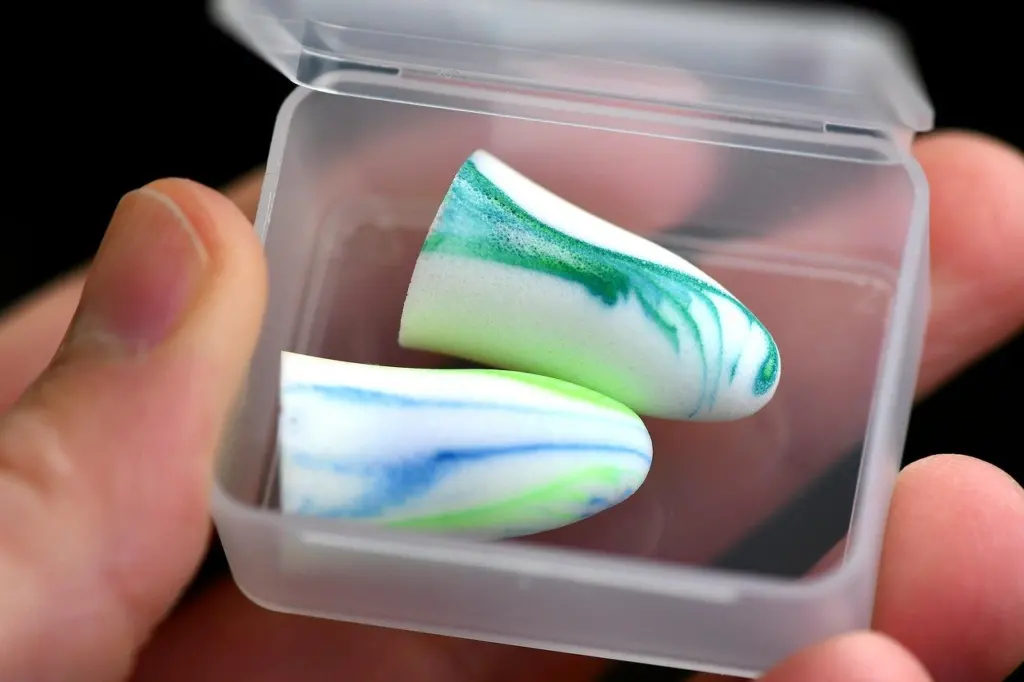
| 3M foam earplugs | Cut 105 dBA by 19 dB | A practical extra layer when a venue or job is louder than headphones can handle. |
| Listening time at 85, 88 and 91 dBA | Up to 8 hours at 85 dBA, 4 hours at 88 dBA, 2 hours at 91 dBA | Higher levels shorten the time you can listen; the limits assume no other loud noise that day. |
| Hearing Protection mode, AirPods Pro 3 | Caps playback volume at 82 dB(A) | A built-in ceiling worth enabling for long listening sessions. |
These figures come from Wirecutter’s AirPods Pro hearing test and its quoted ASHA guidance and from The Noise Chap’s review of noise-cancelling headphones as hearing protection.
Does noise cancelling protect hearing? Partly: it lowers steady background noise, but standard noise-cancelling headphones are not certified hearing protection, and playback level and listening time still set your risk.
If you are shopping, pair this advice with our guidance on the best headphones for music, then use the sections below to decide how much protection you actually need.
What noise cancelling changes for your ears
Noise cancelling removes outside noise, and then your music adds sound back, according to The Noise Chap. The headphones therefore reduce what reaches you from the street or the engine, but they do not limit what you play through them. Your hearing risk is still the sum of both sources.
That matters because hearing damage risk depends on level and exposure time, as GreenFacts’ summary of hearing protection limits explains. The same summary notes that high-level sound exposure, such as loud music, may cause similar damage to hearing as noise does. Cancelling the environment is only half the job.
Where ANC helps most and least
- Steady, low-frequency noise: Isotunes describes ANC as particularly effective against consistent sounds such as air conditioners and engine noise. If your daily noise is a hum, ANC is a sensible tool.
- Sudden loud sounds: The same source describes ANC as unsuitable for sudden high-decibel sounds. If your noise comes in bangs, ANC is the wrong layer.
- Impact noise: The Noise Chap says active protection is not good for high-level impact noise such as shooting, and that proper fit is needed.
- Loud music at the source: Cancelling cannot fix a playlist that is too loud. Treat volume as your own responsibility, whatever the headphones do.
Exposure limits and what they mean for listening time
Noise exposure is measured in A-weighted decibels, written dB(A), per GreenFacts. For long-term workplace exposure, 85 dB(A) was regarded as the critical intensity. ISO 1999:1990 and the 1998 NIOSH revised criteria recommended an 8-hour equivalent level of 85 dB(A), though GreenFacts judges that limit not fully protective. Treat it as a ceiling, not a comfortable target.
The EU’s Directive 2003/10/EC sets a lower exposure action value at an 8-hour equivalent of 80 dB(A). GreenFacts adds that 80 dB(A) for 8 hours equals 89 dB(A) for 1 hour, assuming risk below that is negligible. The practical point is the trade-off: every rise in level cuts the time you can listen.
For personal listening, Wirecutter quotes ASHA guidance of up to 8 hours at 85 dBA, 4 hours at 88 dBA and 2 hours at 91 dBA. It also notes that such guidelines assume no other loud noise exposure during the day. A noisy commute or workshop therefore uses up part of your allowance before you press play.
Some vendors are more cautious. Bose states that noise above 70 decibels over a prolonged period can start to damage hearing. That is a brand statement rather than a regulatory limit, but it supports keeping everyday listening well below the workplace ceiling.
Noise cancelling versus earplugs
Noise-cancelling headphones cannot replace earplugs where real protection is needed. The Noise Chap explains that hearing protection means a product certified to EN 352, with a stated SNR rating, and that most standard music headphones, even noise-cancelling ones, are not certified to it.
Ratings can still be informative. The Noise Chap reports that AirPods Pro 3 reach an SNR of 29 dB in full Noise Cancellation mode, with 25 dB assumed, and 14 dB in Transparency mode, with 10 dB assumed. The gap between the two modes shows why the mode you choose matters as much as the model.
Wirecutter’s measurements show how close the numbers can be: in its simulated 105 dBA test, ANC on cut 23 dB and foam earplugs cut 19 dB. A bigger test number does not make ANC earbuds a substitute, because ANC works best on steady low-frequency sound while a plug blocks sound physically across more situations.
Choosing between them
- Commuting and steady hum: ANC headphones suit this, provided you keep playback modest.
- Loud events and impact noise: Use earplugs or other certified protection, since ANC is not suited to sudden or impact sounds.
- Long loud sessions: Combine both only if the earplug or earmuff is the certified part; do not rely on the headphones for it.
How active and passive noise reduction work
Passive noise cancellation physically blocks outside sound, primarily by creating a barrier, while active cancellation uses an opposite-phase signal, according to Bose. Isotunes adds that passive isolation excels at reducing mid- to high-frequency sounds, which is why ANC is strongest on low-frequency hum and passive fit covers more of the rest.
Bose claims noise cancelling can lower a lawn mower’s decibel level by up to 70%. Treat that as a vendor claim, not a guarantee for your headphones. Fit, mode and noise type all change the result. For a deeper comparison of the two approaches and how to choose between them, read Active vs Passive Noise Cancelling: How To Choose The Right Headphones In 2026 – Soniqcast.
Using noise cancelling safely
Safe use comes down to level, time and the right tool for the noise. Wirecutter’s guidance is that everyone should limit the length and loudness of noise exposure and use hearing protection in loud settings.
- Turn on a volume cap: If your earbuds offer one, use it. The Noise Chap notes that Hearing Protection mode limits AirPods Pro 3 playback to 82 dB(A).
- Count your whole day: Because limits assume no other loud noise, shorten listening after a loud commute or workplace shift.
- Match the layer to the noise: Use ANC for steady hum, and certified protection for bangs, impacts and loud venues.
- Do not rely on transparency mode: In Wirecutter’s test it left 95 dB, enough for only about 45 minutes under simulated conditions.
Listening habits have been a concern for as long as people have had home audio. If you want some background on how that listening began, see When Was the Record Player Invented? The Complete Timeline That Changed Music Forever – Soniqcast.
Frequently asked questions
Is ANC safe at a loud concert?
No. Wirecutter notes that a rock concert registering 110 dB could damage hearing in about two minutes, and ANC is not suited to sudden high-decibel sound. Wear earplugs designed for loud events.
Can I use noise-cancelling headphones as hearing protection at work?
In the UK, standard music headphones cannot be used as hearing protection under the Control of Noise at Work Regulations 2005. Use products certified for the purpose and ask your employer about required protection.
What are the downsides of earplugs compared with headphones?
Wirecutter points out that voices can sound muffled and some people dislike how earplugs feel in the ear. Those trade-offs are why many people try them first at a loud event rather than for everyday wear.

Leave a Reply