
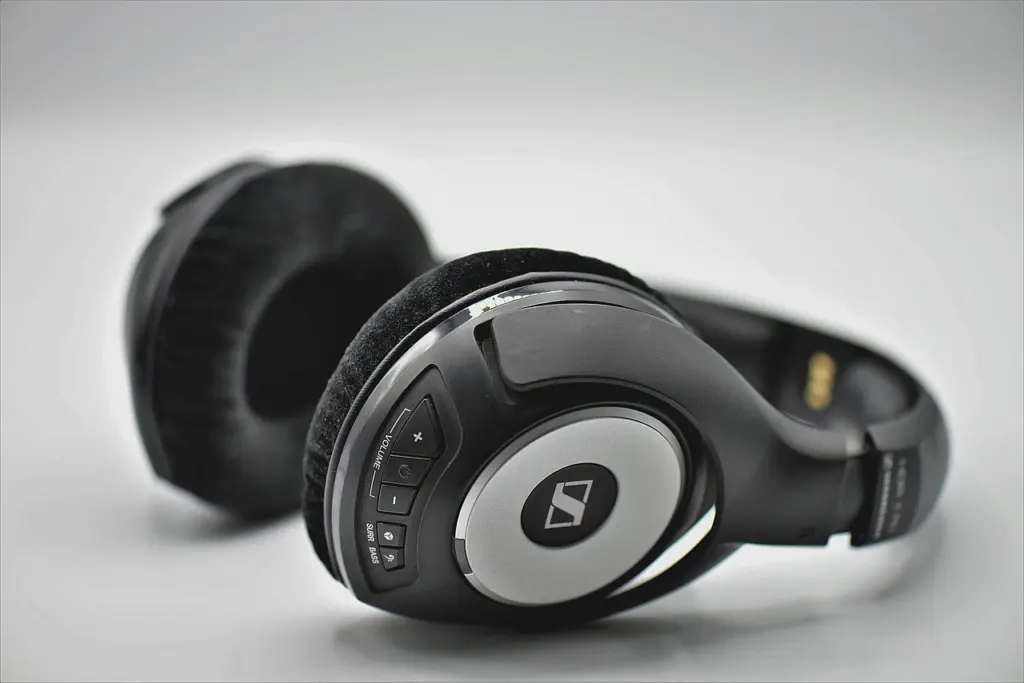
A train commuter hears low rumble through closed headphones: active vs passive noise cancelling explains why. ANC electronically counters steady low-frequency noise but needs charging; passive isolation blocks mid and high frequencies through fit and seal alone.
The deciding factor is the kind of noise you face, not the label on the box. Once you know that, compare models in our guide to the best headphones for music.
How the two approaches differ
Active noise cancelling (ANC) is technology that blocks outside sound using microphones and an opposite sound wave. Passive isolation does not involve any technology per se. It depends on the shape, materials and seal of the earcup or ear tip. Most buying mistakes come from mixing these two mechanisms up, so it helps to clear away the common misunderstandings first.
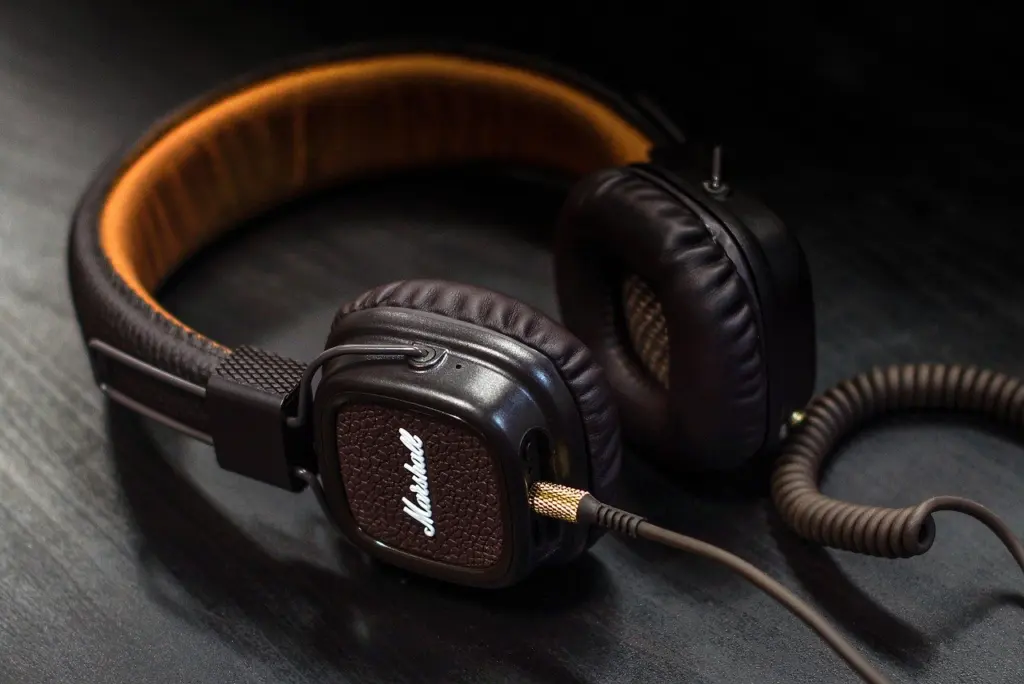
- “Passive isolation is ANC switched off.” It is not. Passive isolation is a physical barrier with no electronics, while ANC is an electronic system that adds a second, opposing sound.
- “ANC works the same at every pitch.” It does not. Its strength is steady low-frequency noise, and its reach upward is limited.
- “Passive over-ears block rumble if the padding is thick.” Closed-back over-ear designs struggle with low frequencies whatever the padding looks like, as the frequency section below shows.
- “ANC silences everything.” It works best on constant background noise, not on sudden sounds.
The table puts the two approaches side by side on the criteria that matter when you buy.
| Criterion | Active noise cancelling | Passive noise isolation | Planning use |
|---|---|---|---|
| Strongest frequency range | Steady low-frequency noise | Mid to high frequencies; closed-back over-ear headphones block almost no noise below 300 Hz | Match the pair to the pitch of the noise you want gone |
| Typical reduction | An average of 30 dB overall, up to 60 dB for low-frequency sources | About 15 dB to 30 dB for mid- to high-frequency noise (earbuds) | Treat these as typical ranges, not guarantees for a specific model |
| Sudden sounds | Works best on constant background noise, not sudden transient noises | Reduces all incoming sound by roughly the same amount | Choose passive fit if interruptions are the problem |
| Power | Must be charged | No battery needed | Factor charging into long days and trips |
| Price | Good ANC headphones cost more | Costs less than good ANC at a comparable tier | Spend on ANC only if low-frequency noise is your main problem |
Figures are drawn from Logitech’s comparison of passive isolation and ANC and Noisy World’s comparison of noise-cancelling and noise-isolating headphones.
Which blocks low-frequency noise better
ANC blocks low-frequency noise better, and by a wide margin. Logitech reports that ANC can cut ambient noise by an average of 30dB overall, and by up to 60 dB for low-frequency sources. Noisy World’s author found that passive isolation does not work very well against low and low-mid frequency noise, and that regular closed-back over-ear headphones block almost no noise below 300 Hz. The same source concludes that noise-cancelling headphones are overall a lot more effective at reducing noise than regular over-ear headphones.
If your complaint is a low, steady rumble, buying thicker passive over-ears is unlikely to fix it. Choose ANC instead.
Mid and high frequencies
Passive isolation is far from useless. Logitech notes that earbuds with passive noise cancellation can lessen mid- to high-frequency noise by about 15dB to 30dB. In that range a well-sealed pair delivers meaningful reduction with no electronics. ANC is therefore not the only route to a quieter listening environment, and it is not automatically the right one when the noise is mostly higher pitched.
Sudden sounds
A common assumption is that ANC will erase every disturbance. In practice, ANC headphones work best at reducing constant background noise, not sudden transient noises. Passive isolation behaves differently: it reduces all incoming sound by roughly the same amount, whether steady or sudden. A pair that combines a good physical seal with ANC therefore covers both cases better than either approach alone.
Sound quality and price: what ANC costs
ANC can reduce sound quality slightly, and the effect depends on where you listen. Noisy World observes that active noise cancellation tends to produce some self-noise, a white noise floor or hiss, which is noticeable in quiet settings. Ligo adds that in terms of pure sound quality, passive isolation headphones have the edge, because ANC adds a slight layer of distortion.
These are small trade-offs. In a loud environment the reduction in noise usually outweighs a faint hiss. In a quiet room you lose the benefit and keep the drawback, so passive isolation is the cleaner choice there.
Price follows the same pattern. Good ANC headphones cost more than noise-isolating headphones, so you are paying for the electronics as well as the drivers. Spend that money only if low-frequency noise is a real part of your day. If you are also wondering whether either approach helps your ears, Does Noise Cancelling Protect Your Hearing? What Science Says And How To Stay Safe In 2026 – Soniqcast covers that question.
Passive isolation: when it is enough
Passive isolation is enough when the noise you want to reduce is mostly mid to high frequency, when you want no battery to manage, or when sound quality comes first. It suits listeners in moderate surroundings who care about a clean signal path.
Fit decides the result. Because there are no electronics to compensate, the barrier is the earcup padding or ear tip and the seal it makes. Manufacturer ThinkSound describes its approach as plush materials and an acoustic seal that shuts the world out naturally. That is a brand claim, but it reflects the principle: a poor seal leaves passive headphones with nothing to fall back on. Check that the pair seals comfortably on your head or in your ears before you rely on it.
Choosing by use case
Match the approach to the noise in each situation, and remember that ANC needs to be charged while passive does not.
Commuting
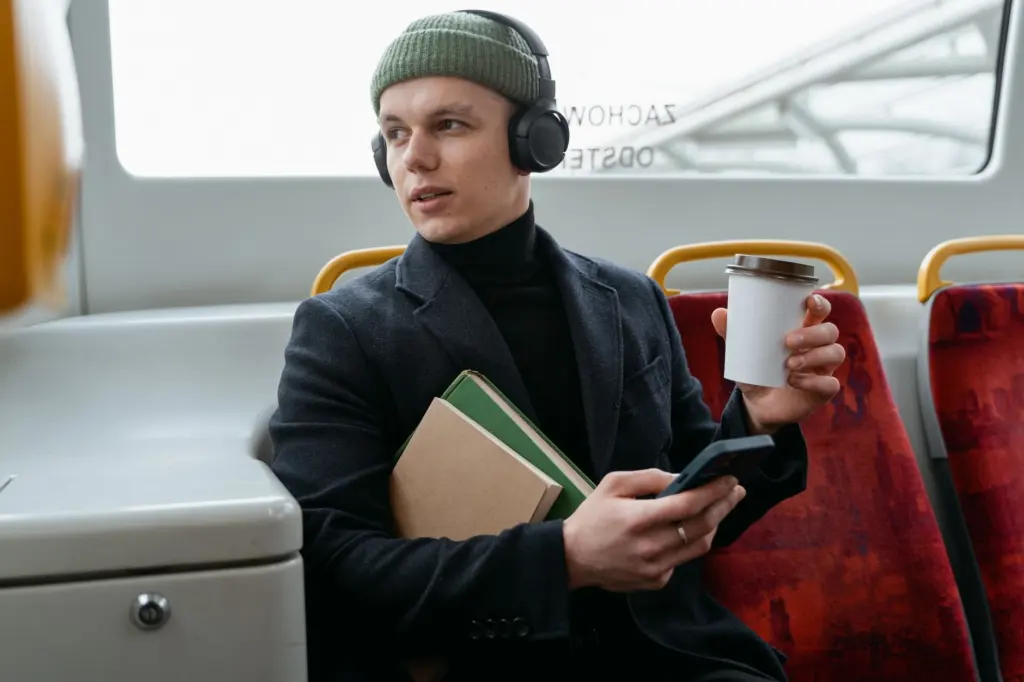
Commutes mix steady background noise with sudden sounds. ANC handles the constant part, while a good seal trims everything by a similar amount. Over-ear ANC headphones suit regular commuters who want the steady noise lowered. If you travel with earbuds, a well-fitted pair gives solid mid- and high-frequency reduction without charging.
Office
In an office, the right choice depends on what is bothering you. A constant low hum is a job for ANC. Sudden interruptions such as a door or a question from a colleague are not countered by ANC, whereas passive isolation reduces them as much as it reduces steady sound. If you spend much of the day on calls and need clear speech as well as quiet, a speaker with a microphone may suit better, and Bluetooth Speakers With Microphones: How To Choose, Use, And Get Great Sound In 2026 – Soniqcast explains how to choose one.

Flights
On long journeys the background noise is constant, which is the case ANC handles best. Over-ear ANC headphones are the stronger choice for frequent flyers, provided you charge them before you travel. Passive isolation alone will leave low-frequency noise largely untouched, particularly with closed-back over-ear designs, which block almost nothing below 300 Hz.
Frequently asked questions
| Question | Answer |
|---|---|
| Do passive headphones need a battery? | No. As Logitech notes, you do not need additional battery power to take advantage of passive noise isolation, whereas all ANC headphones and earphones must be charged. |
| What does fixed-level ANC mean? | Standard ANC constantly blocks sound at a fixed level, according to Fresh n Rebel. Adaptive ANC is a separate design that does not hold one level. |
| How far up the pitch range does ANC work? | One author’s test of the Sony WH-1000XM4, using pulsed noises at increasing frequencies in 1/3 octave steps, put the cancellation cutoff at around 700 Hz. That figure describes one tested model, so treat it as an example rather than a universal limit. |


Leave a Reply