
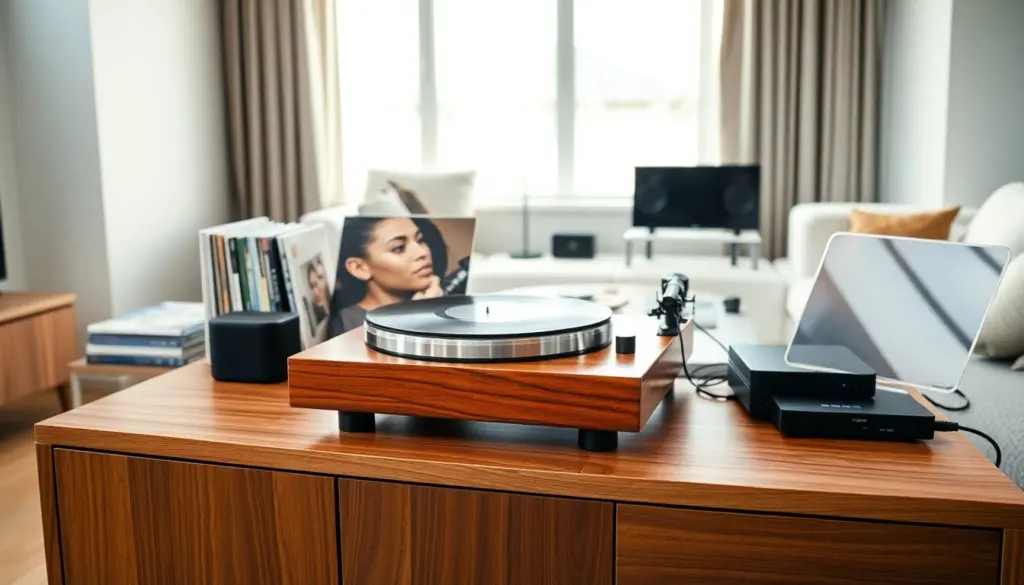
A vintage style record player offers warm sound and visual charm for modern homes. The vintage style record player fits living rooms, offices, and studios. It plays vinyl, streams from Bluetooth, or connects to external speakers. Buyers compare sound quality, build materials, and connectivity. This guide helps readers pick a vintage style record player that matches taste, budget, and audio needs.
Key Takeaways
- A vintage style record player combines warm analog sound with decorative retro appeal, making it a popular choice for music lovers and collectors.
- When selecting a vintage style record player, consider sound quality, build materials, and connectivity options like Bluetooth and USB to match your audio needs and lifestyle.
- Prices vary widely from under $150 for basic models to over $1,000 for high-end units with premium components, so align your budget with your listening goals.
- Look for features like a built-in preamp, removable cartridges, and heavier platters to improve sound quality and upgrade potential.
- Proper setup and regular maintenance—including cartridge alignment, record cleaning, and belt replacement—are essential to ensuring long-lasting performance and the best sound.
- Troubleshoot common issues by checking placement, wiring, and settings, and consult manuals or technicians to extend the life of your vintage style record player.
Why Choose A Vintage Style Record Player Today
Many people choose a vintage style record player for sound character and style. Collectors value the tactile action of handling records. Music fans like the fuller midrange and analog warmth that a vinyl playback chain can deliver. Others pick a vintage style record player as a decorative focal point that sparks conversation. Designers place one on shelves, sideboards, or media consoles to add texture and age to a room.
A vintage style record player also serves practical needs. A player with a built-in preamp and Bluetooth lets a user play vinyl and stream playlists to the same speakers. Some units accept USB output for easy digitizing. Buyers who want a simple setup select an all-in-one suitcase player. Those who plan upgrades choose a turntable with a standard tonearm and removable cartridge.
Cost matters. A basic new vintage style record player costs under $150 and includes plastic parts and a prebuilt cartridge. A mid-range option between $200 and $600 will typically use better motors, heavier platters, and improved cartridges. High-end retro-style turntables can cost $1,000 or more when manufacturers add premium motors, precision bearings, and wood cabinetry. A buyer should match price to listening goals and the time they will spend with records.
How To Evaluate Features: Sound, Build, And Connectivity
A buyer should evaluate sound, build, and connectivity when choosing a vintage style record player. For sound, check cartridge type, platter mass, and speed stability. A moving-magnet cartridge suits most listeners and costs less to replace. A heavier platter reduces wow and flutter. A motor with low vibration yields cleaner sound.
For build, inspect chassis materials, tonearm design, and platter bearings. Wood cabinets damp resonance and add visual appeal. Metal or acrylic platters reduce resonance transfer. A straight or S-shaped tonearm must track evenly and allow simple adjustments. Removable headshells give flexibility to upgrade cartridges.
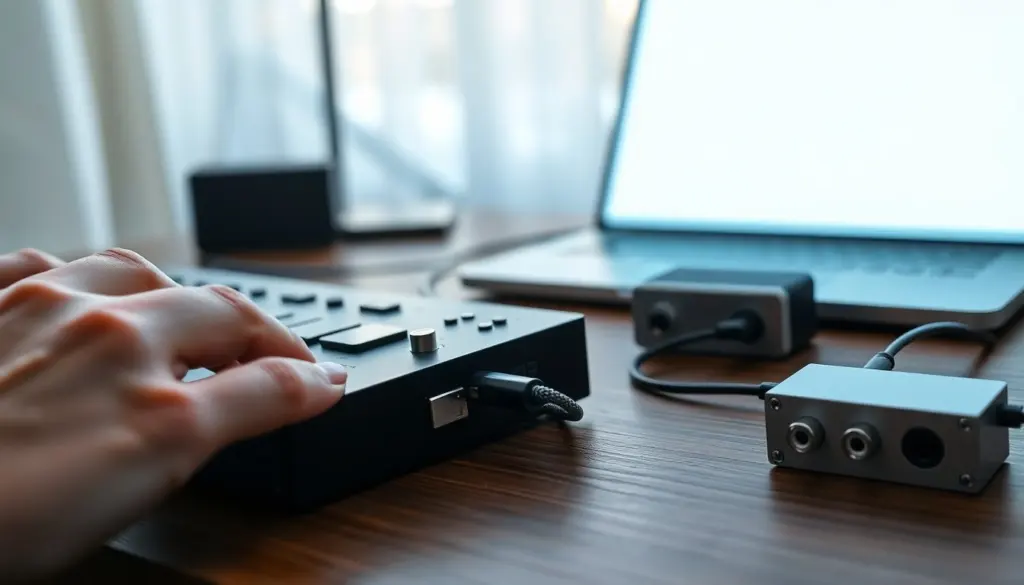
For connectivity, list the outputs and inputs a user needs. A built-in phono preamp avoids the need for an external phono stage. A line-out works with powered speakers and receivers. Bluetooth provides wireless playback to headphones or speakers when someone wants convenience. USB output helps a user archive vinyl to digital files.
Other practical features affect daily use. An automatic return tonearm suits casual listeners who want hands-off operation. A manual turntable often offers better overall sound and more upgrade paths. A dust cover protects records and parts. Replaceable belts and accessible service parts extend the life of the unit.
Read reviews and test where possible. A listener should audition a similar model or check sound samples. Look for reports on motor hum, speed accuracy, and long-term reliability. Warranties and brand reputation matter when a buyer invests in a vintage style record player.
Setup, Maintenance, And Common Troubleshooting Tips
A clear setup keeps a vintage style record player working well. Place the player on a stable, level surface away from speakers to avoid feedback. The user should level the platter with the built-in bubble or a spirit level. They should align the cartridge using a simple protractor and set tracking force to the cartridge maker’s specification. Anti-skate should match tracking force to keep the stylus centered.
Maintenance keeps sound consistent. Clean records with an anti-static brush before each play. Use a record cleaning solution and a microfiber cloth for deeper cleans. Replace the stylus after 500 to 1,000 hours of play or when distortion appears. Inspect the drive belt and replace it if it shows stretch or cracking. Tighten loose screws and check the dust cover hinges periodically.
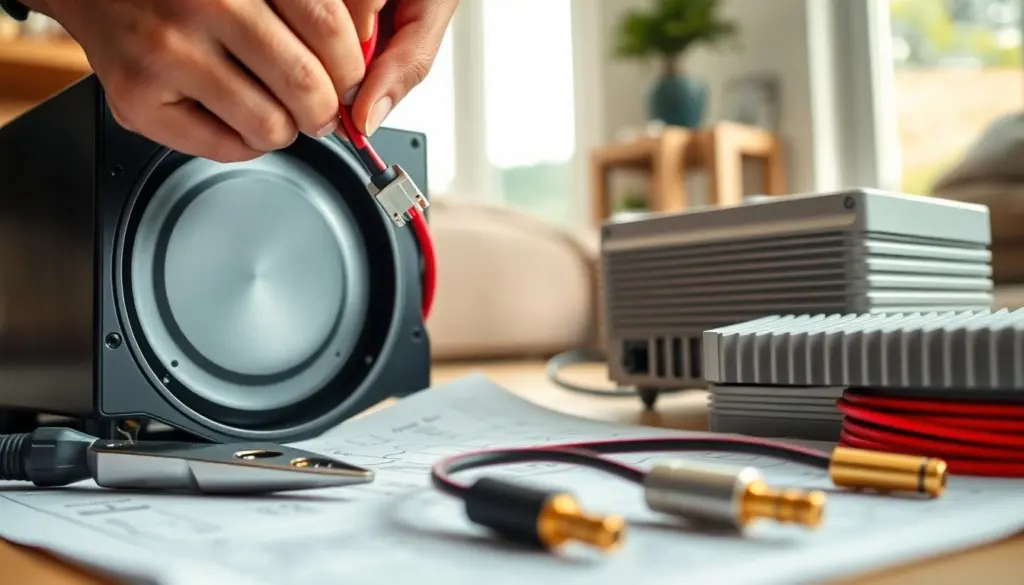
Troubleshoot common problems with direct steps. If the vintage style record player hums, first move it away from powered speakers or fluorescent lights. Check ground wiring between the deck and receiver. If the platter speed varies, clean the motor pulley and change the belt if needed. If the sound lacks bass or sounds thin, check phono preamp settings and ensure the cartridge wiring is solid.
If clicks and pops appear, clean the record and stylus. If one channel is weak, check the RCA cable and the cartridge connections. If the tonearm skips, verify the tracking force and anti-skate. For persistent issues, consult the manual or a local technician who services turntables. Regular small repairs and care extend service life and preserve sound quality.

Leave a Reply