
| Factor | Turntable | Record player | Planning use |
|---|---|---|---|
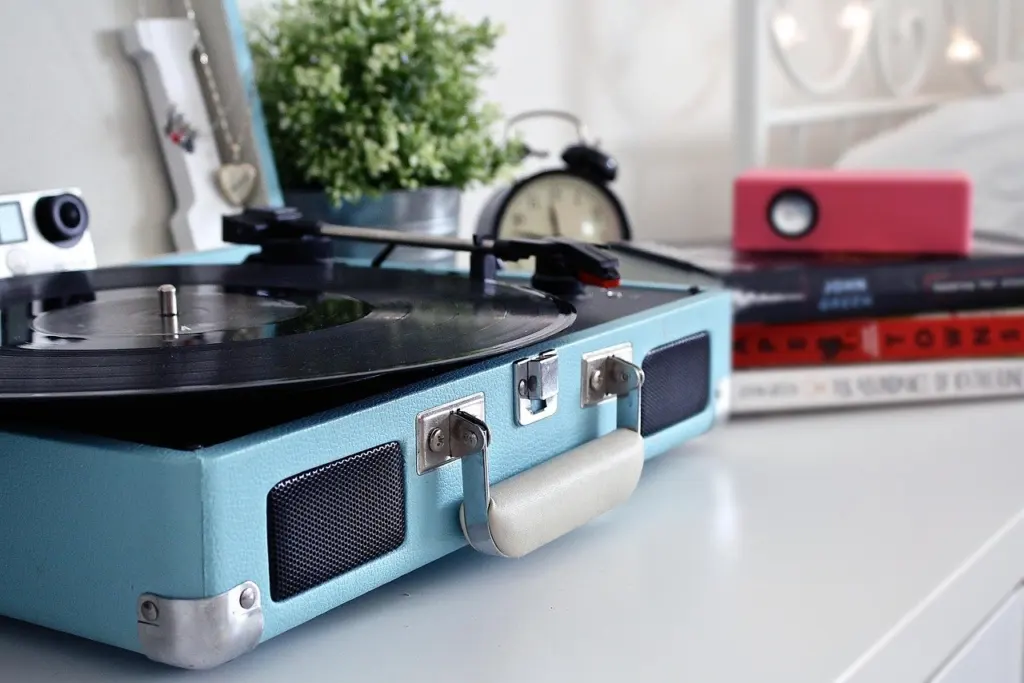
| Included parts | No built-in speakers or amplifier | Speakers and amp built in | Add speaker and amplifier costs to a turntable budget. A record player can play from the box. |
| Entry-level price band | $150–$500 | $80–$300 | Compare complete systems, not the deck alone. |
| Sound | Cleaner, more detailed sound when paired with good speakers | Limited by the quality of the built-in components | A turntable’s advantage depends on the speakers you pair it with. |
| Upgrades | Tonearm and cartridge can be swapped or upgraded | Limited or no room for upgrades | Choose a turntable if you expect to keep improving the system. |
Price bands and sound comparisons above follow The Audio Keeper’s turntable guide, and the built-in component limits follow KB Audio’s explainer.
The turntable vs record player choice comes down to included parts: a record player has the preamp, amp and speakers built in, while a turntable needs separate components but often sounds better and can be upgraded.
If you are also weighing other listening gear, the best headphones for music are covered alongside the rest of our audio equipment advice.
What the choice changes in practice
The two products differ less in the spinning platter than in what surrounds it. That changes your sound, your upgrade options and your spending in ways that are hard to reverse after you buy.
Sound quality
Turntables frequently have an edge over record players in audio performance. That edge is conditional. A turntable delivers cleaner, more detailed sound when it is paired with good speakers, according to The Audio Keeper. A record player’s sound, by contrast, can be limited by the quality of its built-in components.
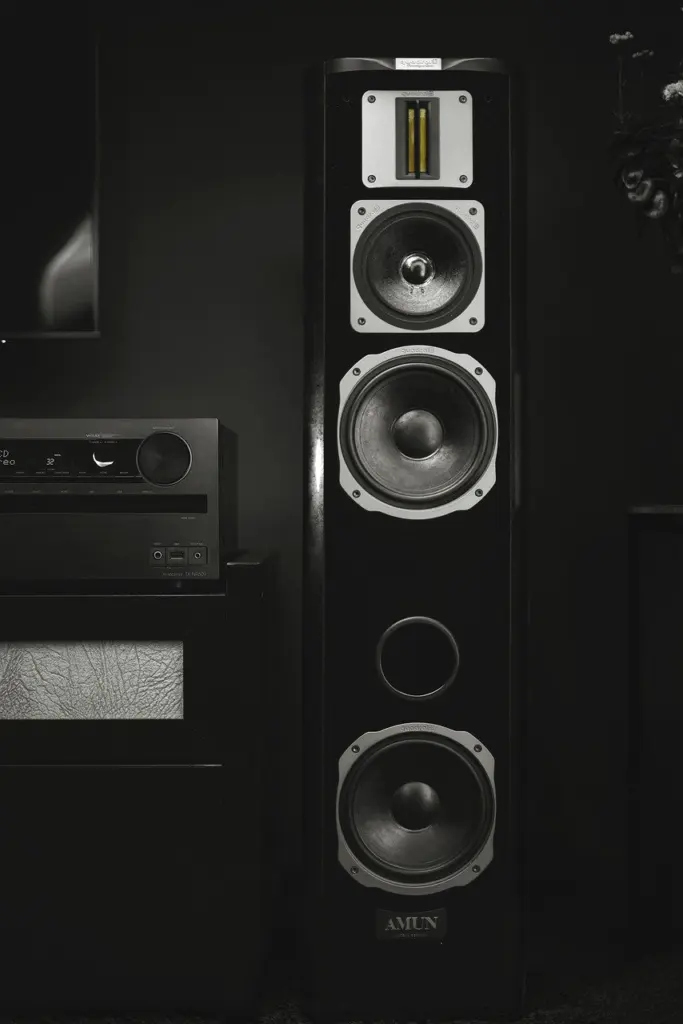
In practice, a turntable connected to weak speakers gives away much of its advantage. A record player is a fixed package, so its ceiling is set at the moment you buy it. If sound quality matters most to you, plan the speakers as part of the purchase rather than an afterthought.
Upgrading
Record players offer limited or no room for upgrades such as replacing the cartridge, improving the amp or swapping the speakers, as KB Audio notes. So the answer to whether you can upgrade a record player is mostly no: when you outgrow it, the realistic improvement is a move to a turntable-based setup.
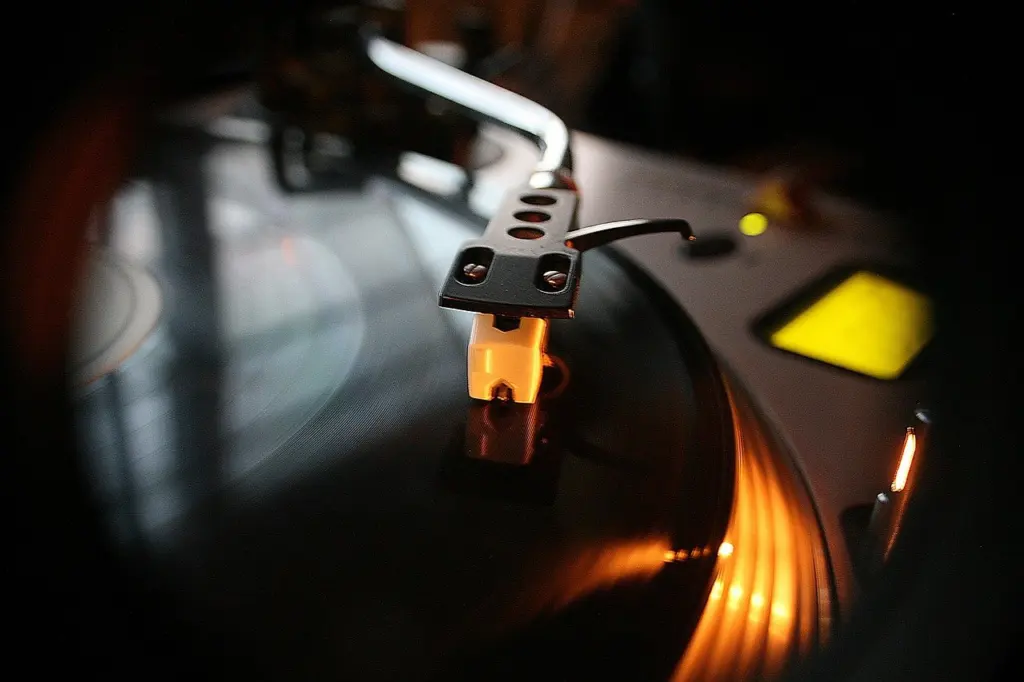
A turntable works the other way. You can mix and match components, for example moving to a better amplifier or swapping cartridges for finer detail. The same source says you can swap cartridges for different sound profiles and upgrade tonearms or platters for reduced resonance. That makes a turntable a system you can improve one part at a time.
Price and upgrade options
Turntables are generally pricier than record players, and record players are often cheaper than turntable-based setups. The listed entry-level bands are $150–$500 for turntables and $80–$300 for record players, per The Audio Keeper. As one example in the record-player band, Victrola lists its Eastwood II Signature Record Player at $189.99 on its guide page.
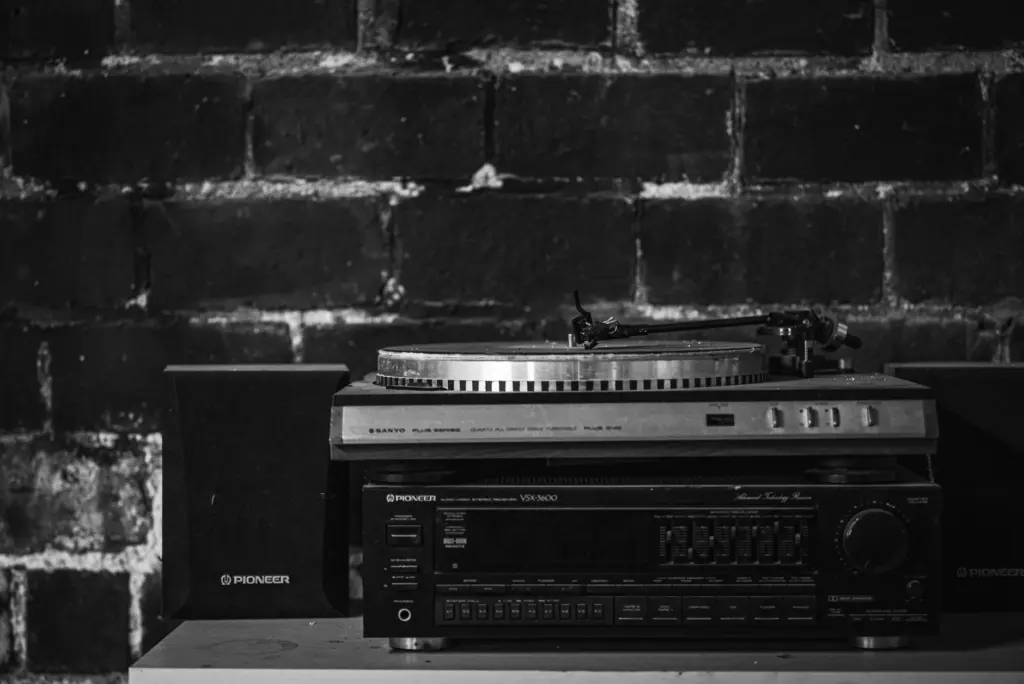
The deck’s price is only part of a turntable’s cost. A turntable costs more initially because you also need speakers and a preamp. The cost of powered speakers, amplifiers and preamps belongs in the total. The higher price pays for better longevity and performance.
For budgeting, treat the two products like this:
- Record player: a single purchase that already includes the amp and speakers. The cost is predictable, but the upgrade path is narrow.
- Turntable: a larger first outlay spread across several components. You can start modestly and replace the cartridge, amplifier or speakers later without discarding the whole system.
Choosing by situation
The right purchase depends on how much you want to manage. Record players are suited to simplicity and turntables to control, so match the product to your habits rather than to a spec sheet.
- Brand-new to vinyl: a record player is the easier start. It has the preamp, power amp and speakers built in, so you plug it in and play, and it is often cheaper than a turntable-based setup.
- Care about detail and expect to improve the system: buy a turntable. According to Today’s shopping guide, turntables are built for people who want to select every component and spec of their sound system.
- Tight on space or already own speakers: a turntable can suit you well. It offers greater speaker customization and is typically more compact.
- Want a tidy, self-contained unit: a record player has the amp and speaker or speakers built right into it, so there is nothing else to buy.
If you are undecided, the main question is whether you want one product or a system. Anyone who already enjoys choosing audio gear will probably be happier with a turntable. Anyone who wants records playing quickly, with the fewest decisions, is better served by a record player.
How the parts split the two
The terminology causes most of the confusion. A turntable is the revolving platter on which the vinyl record is placed, as a manufacturer’s guide defines it. All record players have turntables, but not all turntables are record players.
Tonearm and cartridge
The tonearm carries the cartridge, and the cartridge contains magnetic coils that convert groove vibrations into electric signals. Because these two parts do the first stage of work on every record, they are the natural places to improve a turntable. A standalone turntable will not play records on its own and needs additional components.
Amplification and speakers
A turntable needs a preamplifier and a power amplifier to amplify the signal. A record player folds both, along with speakers, into one box. A turntable does not come with built-in speakers or an amplifier, and depending on the setup it may need a phono preamp as well.
That gives a practical rule of thumb: if a product is sold with speakers and an amp, it is a record player, and if it is not, it is a turntable. Because the separate pieces can be chosen to suit each other, a turntable system offers the flexibility that a sealed record player cannot.
More listening guides
If you stream as well as spin records, Is Lossless Audio Worth It? What To Expect In Sound Quality, Formats, And Listening In 2026 – Soniqcast looks at how digital formats compare. For listening on the move, the best headphones for running are a separate decision from your home setup.
Frequently asked questions
Does every record player contain a turntable?
Yes. All record players have turntables, but not all turntables are record players, because a standalone turntable lacks the built-in amplification and speakers.
Do I need a phono preamp with a turntable?
Often, yes. A turntable needs a preamplifier and a power amplifier, and depending on the setup it may need a separate phono preamp. Check what your amplifier or powered speakers already include before buying one.
Is a record player really cheaper than a turntable?
Usually, yes. Record players are often cheaper than turntable-based setups, and the entry-level band is lower. A turntable’s total cost also covers speakers and amplification.
How can I tell which one a product is?
Look at what is included. If it is sold with speakers and an amp, it is a record player; if it is not, it is a turntable.



Leave a Reply