
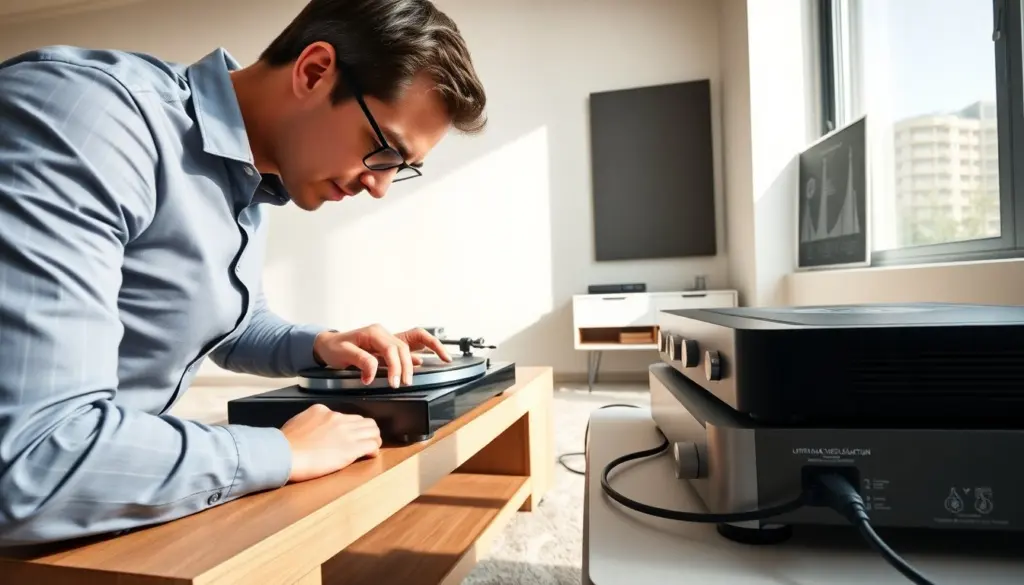
A phono preamp for turntable boosts and corrects the cartridge signal before it reaches the amplifier. It equalizes the signal to restore accurate bass and treble. It raises the level so speakers or headphones play clean sound. Readers will learn what the device does, which cartridge needs which gain, and how to connect and troubleshoot a unit.
Key Takeaways
- A phono preamp for turntable is essential to amplify and equalize the cartridge signal, restoring accurate bass and treble for clear vinyl playback.
- Matching the phono preamp gain and loading settings to your cartridge type—moving magnet (MM) or moving coil (MC)—ensures optimal sound quality and tonal accuracy.
- Built-in phono preamps offer convenience for casual listening, while external units provide better components, lower noise, and adjustable settings ideal for audiophiles.
- When choosing a phono preamp for turntable, consider cartridge compatibility, adjustable gain/loading, low noise specifications, and solid grounding to avoid hum.
- Proper connection and troubleshooting—such as grounding the turntable and setting the correct MM/MC switch—help avoid common issues like hum, distortion, and low volume.
- Upgrading to an external phono preamp improves sound clarity and flexibility, especially when using high-end cartridges or amplifiers.
What A Phono Preamp Does And Why It Matters For Vinyl Sound
A phono preamp for turntable amplifies the tiny output from a cartridge. It applies RIAA equalization to reverse the record mastering curve. The preamp sends a flat, balanced signal to the main amplifier. Without a phono preamp for turntable, audio will sound thin and overly bright. Technical gain and equalization let the record sound like the original mix. The device also sets impedance and grounding for the cartridge. Proper grounding reduces hum and noise. Good models lower distortion and preserve dynamics. A listener who wants clear vinyl playback must use a suitable phono preamp for turntable. Budget choices work for casual listening. Higher-end units deliver lower noise, more detail, and tighter bass. The preamp choice affects tone, detail, and loudness. Audiophiles will notice differences between cheap and well-designed preamps.
Moving Magnet Versus Moving Coil: Cartridge Compatibility And Gain Needs
A moving magnet cartridge typically outputs higher voltage than a moving coil. A phono preamp for turntable must match that output. The preamp will use lower gain for moving magnet cartridges. The preamp will require more gain for moving coil cartridges. The preamp will often include a switch or setting labeled MM and MC. Some preamps offer adjustable gain and loading for fine tuning. A moving coil cartridge benefits from a preamp with higher gain and correct input impedance. A moving magnet cartridge works well with most consumer preamps. Users should check cartridge specification sheets for output voltage and recommended load. The preamp should provide the correct load in ohms and the correct gain in dB. Incorrect loading can change tone and soften detail. A listener may prefer different loading for tonal preference. A phono preamp for turntable with adjustable loading and gain gives the most flexibility. That flexibility helps when a user upgrades the cartridge later.
Built-In Phono Preamp Vs External Unit: Pros, Cons, And When To Upgrade
A built-in phono preamp offers convenience and lower cost. Many turntables ship with a built-in phono preamp for turntable. The built-in unit lets users plug straight into modern receivers. The built-in unit can sound fine for casual listening. An external phono preamp offers better parts, lower noise, and more control. An external phono preamp for turntable will usually provide adjustable gain, load, and higher-quality components. An external unit reduces interference from the turntable chassis and motor. An external unit also simplifies upgrades: a user can swap preamps without changing the turntable. A listener should upgrade when they hear noise, lack of detail, or when they choose a high-end cartridge. A low-cost cartridge and a basic receiver often do not justify an external preamp. A high-output moving coil or a refined moving magnet benefits from an external phono preamp for turntable. Budget and space also matter. An external unit adds cost and needs a place on the shelf. Many users start with the built-in unit and upgrade after they audition better cartridges or amplifiers.
How To Choose, Connect, And Troubleshoot Your Phono Preamp
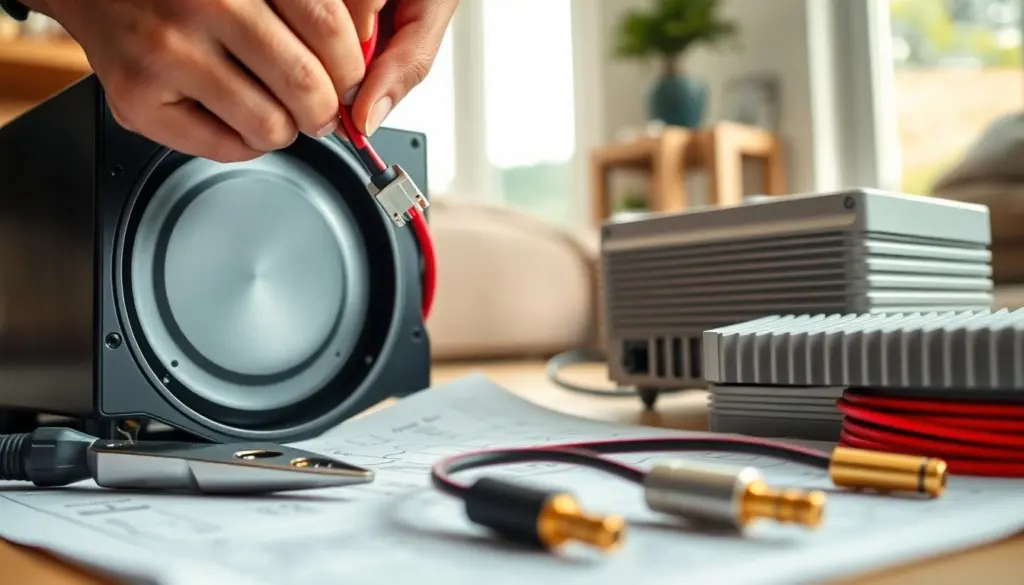
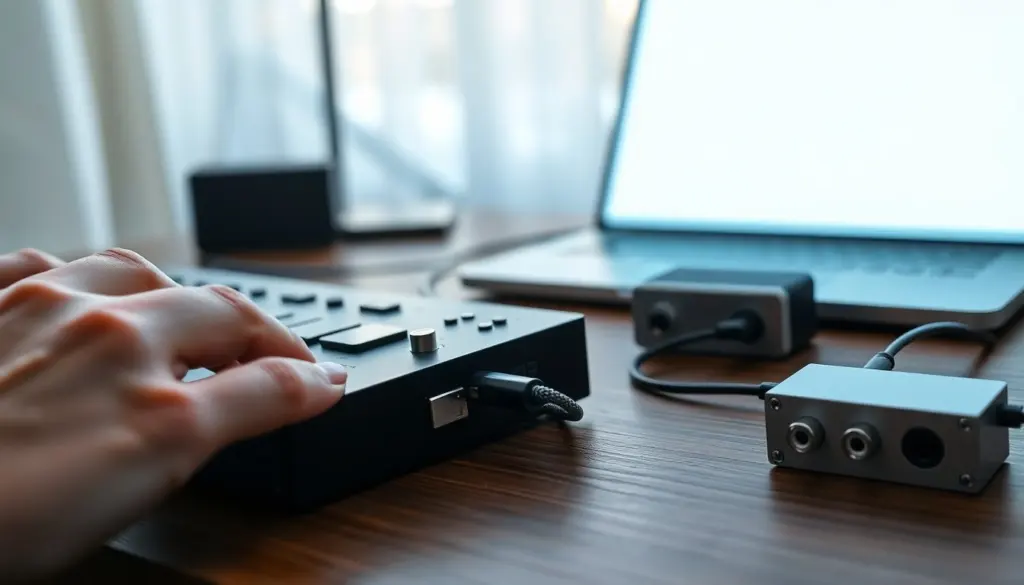
Choose a phono preamp for turntable by matching cartridge type, budget, and features. Look for adjustable gain and loading when the cartridge specs require it. Check signal-to-noise ratio and total harmonic distortion in product specs. Choose solid grounding options to avoid hum. To connect, switch the turntable to ‘line’ output if it has a built-in preamp. Use the ‘phono’ input on an amplifier when the turntable has no built-in preamp. If using an external unit, connect turntable to phono preamp input and preamp output to amp line-in. Ground the turntable to the preamp if a separate ground wire exists. Use quality RCA cables and keep them away from power cords. To set loading and gain, start with cartridge manufacturer recommendations. Adjust by small steps and listen for cleaner bass and clearer treble. To troubleshoot hum, first confirm the ground wire is attached. Then try different wall outlets and reverse the plug on one device. A persistent hum may indicate a faulty cable, bad ground, or a poorly shielded preamp. To fix low volume, confirm the amp input selection and set the preamp to the correct MM or MC setting. If the signal distorts, reduce gain or check for a damaged cartridge or bent stylus. If one channel is weak, inspect cartridge wiring and cartridge alignment. If noise or hiss appears, test the preamp alone with a different source if possible. If problems persist, consult the preamp manual or contact support. A user who follows these steps will usually resolve common issues and get the best sound from a phono preamp for turntable.

Leave a Reply