

Open vs closed headphones comes down to where you listen: open-back designs give a wider soundstage and suit quiet rooms, while closed-back designs isolate and suit commuting, recording and shared spaces. Pick by environment first, then by sound.
The rest of this guide explains why the two designs behave differently and which one fits listening, mixing and gaming. For wider buying advice beyond style, see our roundup of the best headphones for music.
What happens inside the ear cup
The difference between open and closed headphones is whether the back of each ear cup lets air and sound pass through. Everything else, from bass weight to leakage, follows from that single design choice.
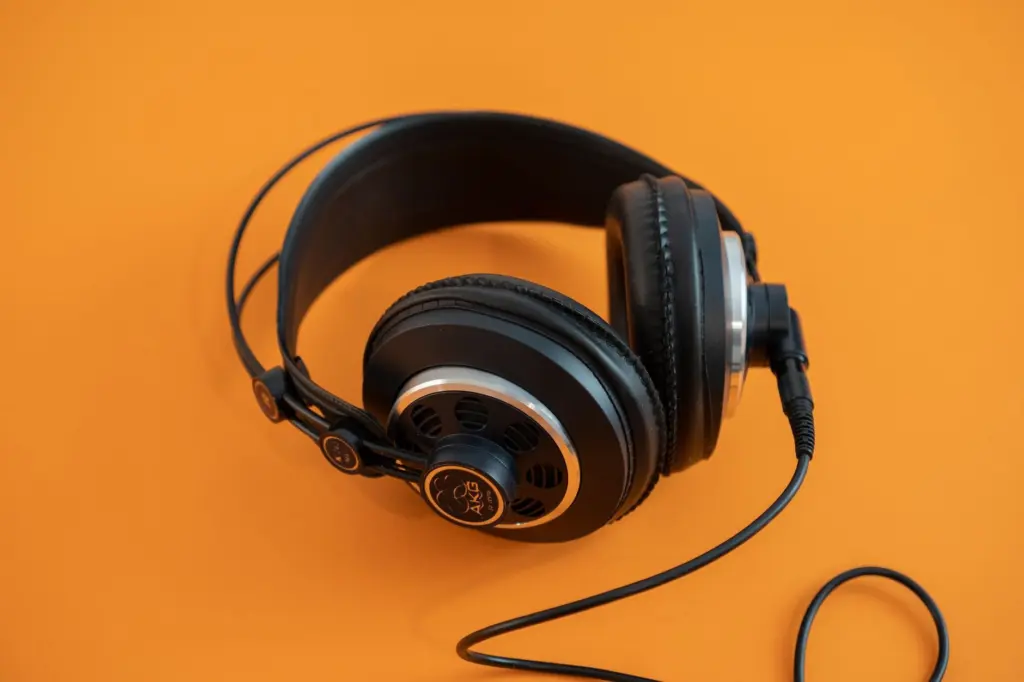
Open-back: air moves freely around the driver
In an open-back design, the ventilation airways allow air to move freely around the drivers. Fully open headphones have both an open front and an open rear volume, so sound travels in both directions. Two consequences follow:
- Outside sound reaches you. Open headphones allow audio from the environment into the earpieces, so room noise becomes part of what you hear.
- Your music reaches other people. Because the cups are open, people nearby can easily hear your music.
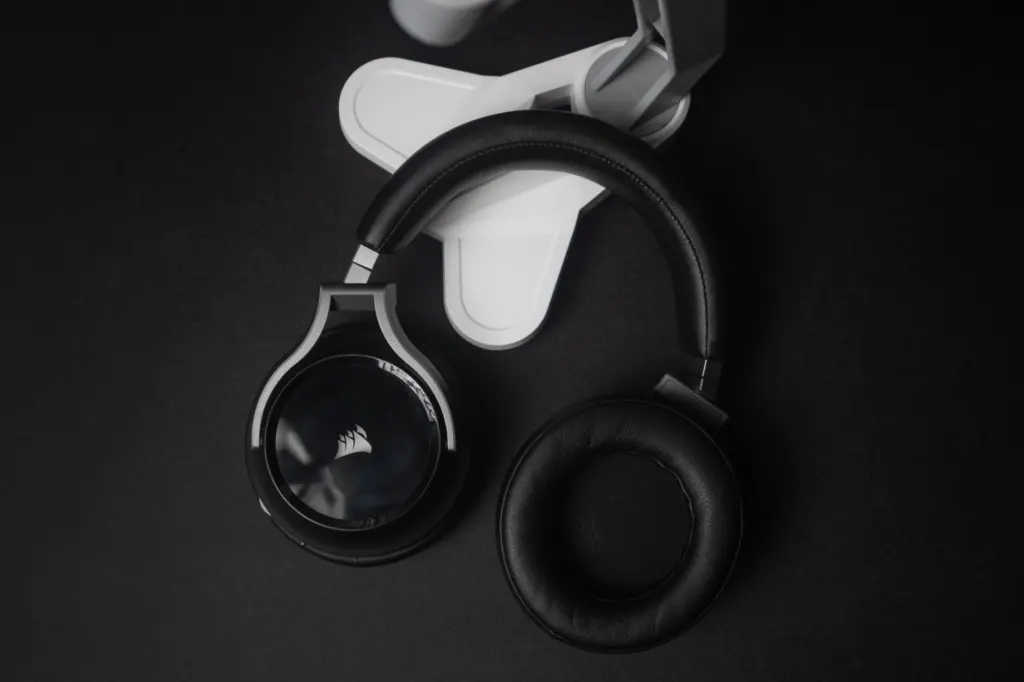
Closed-back: sealed rear and limited ventilation
In a closed-back design, the backs of the ear cups are covered, which limits how freely air moves around the drivers. According to Headphones.com, closed headphones are designed to isolate you from ambient noise to varying degrees, and they also minimise music leaking out of the earpieces. The degree of isolation depends on the model, so a closed cup is not a guarantee of silence.
Why closed headphones have more bass
Closed headphones usually sound bassier because the sealed cup keeps low-frequency energy near the ear instead of letting it escape. Closed ear cups naturally amplify low frequencies, which produces deeper, more powerful bass. Moon Audio notes the same effect, saying the limited ventilation often gives closed designs a punchier bass response.
This is a tendency, not a rule. Open-back models are commonly described as less bass-heavy, and they are not the preferred choice for bass-driven genres. Headphones.com also points to a commonly occurring midrange dip in many closed-back models, though not in all of them. If you want weight in the low end, closed-back is the safer starting point. If you want an even tonal balance, check the individual model rather than assuming the enclosure decides it.
Soundstage, isolation and comfort
Soundstage is the sense of space around the music, and it is where open-back designs earn their reputation. Anker describes closed-back soundstage as narrower than open-back. Moon Audio says closed-back sound is more concentrated in your head instead of spread across a wide soundstage.
Isolation is the opposite trade. Open-back gives up isolation in exchange for space, and closed-back gives up some space in exchange for isolation. Passive isolation from a sealed cup is also a different mechanism from true noise cancelling, so the two should not be treated as the same feature when you compare products.
Comfort is a smaller factor. Most open-back models use lighter frames and breathable materials, according to Shokz, which can matter if you wear them for long sessions. Closed-back models, by contrast, are described as performing consistently in just about any setting.
Choosing by use case
Match the headphone to the place and the job before comparing models. The table summarises how the two designs line up with the most common tasks.
| Use case | Usually better style | What drives the choice | Planning use |
|---|---|---|---|
| Critical listening and mixing | Open-back | Accurate sound representation and a wider soundstage; often chosen as an audiophile reference headphone | Use for judging stereo space and balance in a quiet room |
| Tracking and recording | Closed-back | Prevents sound leakage; common for studio tracking | Choose when the headphone sound must stay out of the room |
| Gaming | Either | Open-back offers better spatial awareness in immersive games; closed-back keeps sound contained | Decide by room noise and who else is nearby |
| Commuting and travel | Closed-back | Better where outside noise is high; open-back is best avoided for travel | Do not buy open-back as a travel pair |
| Bass-driven music | Closed-back | Punchier bass response; open-back is less suited | Prioritise a sealed design for low-end weight |
The use-case guidance above draws on Anker’s open-back and closed-back comparison and Moon Audio’s headphone guide.
Listening at home
For relaxed listening in a quiet room, open-back is the better fit if you value a speaker-like sense of space. It suits acoustic, classical and vocal material where imaging matters. Choose closed-back at home only if other people are in earshot or you listen to bass-heavy music most of the time.
Mixing
For mixing, open-back is the better choice for most people. Anker says open-back headphones are generally preferred for music production and mixing because of their accurate sound representation and wider soundstage. Moon Audio adds that open-back models are among many audiophiles’ preferred reference headphones.
Closed-back is still a standard studio tool, though. It is a common choice for tracking and mixing, and it is the better pick whenever the headphone signal must not spill into the room. A sensible split is open-back for judging the mix and closed-back for recording sessions.
Gaming
For gaming, the better headphone depends on your room more than on the game. Anker notes that both types can work, and that open-back headphones give better spatial awareness in immersive games. Gamers often prefer open-back for its comparatively wider soundstage, but it can be annoying during loud periods because the room and the headphones share the same noise.
If you game in a shared or noisy room, a closed-back gaming headset keeps the game audio in and the household out. If you play alone in a quiet room and positional cues matter most, open-back is worth trying. For a gaming desk that also doubles as a call station, you might compare a mic-equipped speaker such as the one covered in Bluetooth Speakers With Microphones: How To Choose, Use, And Get Great Sound In 2026 – Soniqcast.
Commuting and travel
Open-back headphones do not belong on a commute. They let outside noise in and let nearby people hear your music, and Anker says to avoid open-back for travel or day-to-day commercial use. Closed-back designs suit travel and places with a lot of outside noise. Prevention of leakage matters on shared transport as well as for the people around you.
If you want the most quiet on a train or plane, remember that a sealed cup and true noise cancelling work differently. Compare them as separate features rather than assuming one includes the other.
A short decision path
- Check your environment. If you will use the headphones around other people or outside noise, go closed-back and stop there.
- Name the main job. Mixing and critical listening in a quiet room point to open-back. Recording, travel and bass-driven music point to closed-back.
- Judge the model, not only the type. Look at the frequency response for a midrange dip and consider fit, because enclosure type alone does not settle tone.
- Consider the rest of the chain. If you also monitor on speakers, the choice between passive and active monitors is covered in Passive vs Powered Speakers: Which Is Right For Your Setup in 2026? – Soniqcast.
Frequently asked questions
Does closed-back mean noise cancelling?
No. Passive isolation from a sealed cup and true noise cancelling work differently, so a closed-back headphone isolates by its construction rather than by active cancelling.
Do all closed-back headphones have strong bass?
No. Closed designs often give a punchier bass response, but many show a dip around 150-300 Hz and not every model does, so the individual model still matters.
Which style is better for recording?
Closed-back. It prevents sound leakage, which makes it a good fit for recording and shared spaces.
What are semi-open headphones?
Semi-open headphones combine an open volume with a closed volume rather than being fully open at both the front and the rear, which places them between the two main designs.



Leave a Reply