
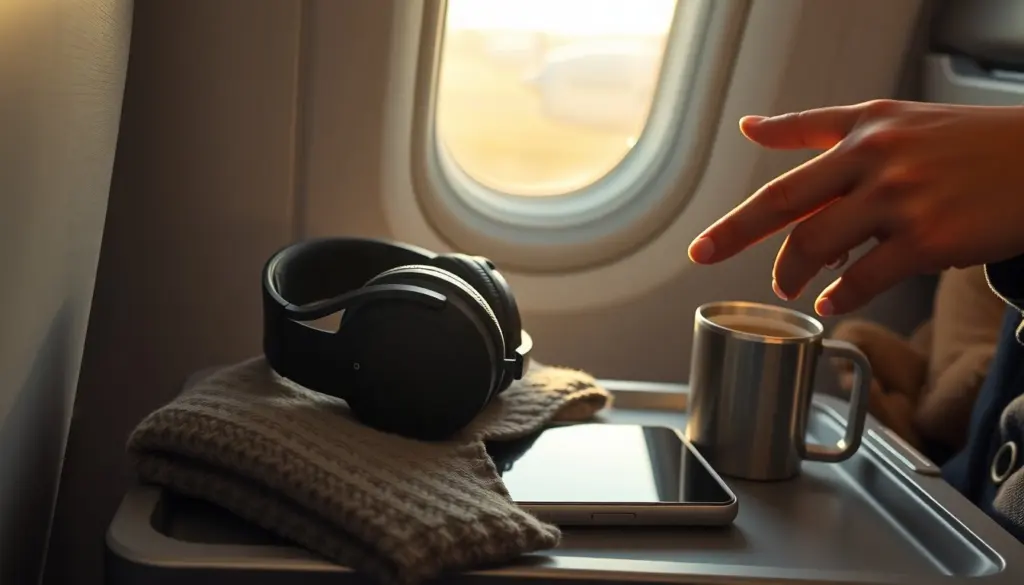
By using microphones, digital signal processing, and careful acoustic design, they reduce unwanted ambient sound so listeners hear music, calls, or speech more clearly and with less effort. Noise-canceling headphones combine passive insulation with electronic cancellation and tuned playback to lower background noise and improve focus during travel, work, or daily life.
Key Takeaways
- Noise cancelling headphones use microphones and electronic processing to reduce ambient noise, enhancing clarity of music and calls.
- They combine passive isolation with active noise cancellation (ANC) to block both high-frequency and low-frequency sounds effectively.
- Active noise cancellation works by creating sound waves that are the inverse of unwanted noise to cancel it out, particularly for steady, low-frequency sounds like airplane engines.
- Hybrid ANC systems use both feedforward and feedback microphones to improve noise reduction accuracy across a wider range of frequencies.
- Noise cancelling headphones are beneficial for travelers, commuters, and remote workers by reducing distractions and lowering the need for high volume levels, protecting hearing.
- When choosing noise cancelling headphones, consider fit, battery life, connectivity, and comfort to ensure effective noise reduction and enjoyable audio quality.
How Noise-Canceling Headphones Work
Noise-canceling headphones mix two core approaches: passive isolation (physical blocking) and active noise cancellation (ANC) (electronics that counteract sound). Microphones on the earcups pick up ambient noise, a processor inverts that signal, and speakers emit the inverse waveform to reduce perceived sound. Inside, acoustic design, earcup seal, padding, and driver tuning, affects how much external sound is kept out and how natural the remaining audio sounds.
Active Versus Passive Noise Reduction: What’s The Difference
Passive reduction relies on materials and fit, thick ear cushions and tight seals, to block high-frequency sounds like voices and clinking dishes. Active reduction targets lower-frequency, steady noises (airplane engines, bus rumbles) by creating an opposite sound wave. Both are useful: passive methods are zero-power and immediate, while ANC requires power and adapts to surrounding noise.
Feedforward, Feedback, And Hybrid ANC: How Cancelation Algorithms Differ
Feedforward ANC places microphones on the outside of the earcup to sense incoming noise early and react quickly, good for predictable, steady sounds but vulnerable to wind. Feedback ANC uses microphones inside the earcup to monitor what’s actually reaching the ear and corrects the output, improving accuracy for variable sounds. Hybrid systems combine both, giving broader bandwidth and better cancellation across frequencies. Each approach trades off latency, power use, and how naturally the headphones reproduce desired audio.
Real-World Benefits For Travelers, Commuters, And Remote Workers
For frequent flyers, ANC lowers engine and cabin hum, making low-volume listening and restful sleep more achievable on long flights. Commuters find reduced train or bus noise improves concentration and reduces listening volume, protecting hearing over time. Remote workers benefit from fewer distractions during calls and focused work sessions, ANC helps create a quieter personal zone even in busy homes or cafes. Beyond silence, many models include transparency modes that let voices through when the user needs to hear announcements or have quick conversations without removing headphones.
Limitations, Common Misconceptions, And Safety Considerations
ANC isn’t a perfect muffler: it works best on steady, low-frequency noise and less well on sudden or high-frequency sounds. A common misconception is that ANC increases loudness: in reality, it reduces background sound so users often lower playback levels, which can protect hearing. Safety-wise, using strong ANC in situations requiring environmental awareness (crossing streets, cycling) can be risky, transparency or quick removal is safer. Some people report mild pressure or ear fatigue with ANC: that’s usually a personal sensitivity rather than a health hazard.
How To Choose And Use Noise-Canceling Headphones
Choosing ANC headphones requires balancing features and practical needs. Consider fit, battery life, connectivity, and sound quality together rather than one at a time. Look for noise-canceling performance tested in real settings, and check user reviews for comfort over multi-hour use. Use ANC wisely: enable it in noisy environments, switch to transparency in busy public spaces, and keep volume moderate, ANC makes lower volumes feel clearer.
Fit, Battery Life, Connectivity, And Sound Quality: Practical Selection Criteria
Fit: Over-ear designs typically offer the best passive isolation: on-ear models can be lighter but leak more sound. Battery life: ANC consumes power, expect 15–40 hours on higher-end models: look for quick-charge features if travel is frequent. Connectivity: Prefer codecs like aptX Adaptive or LDAC for higher-resolution wireless audio: reliable multipoint pairing helps switching between phone and laptop. Sound quality: strong ANC can expose poor tuning, so compare tonal balance and driver clarity. Finally, test cushions for long-term comfort and confirm replacement part availability.
Frequently Asked Questions about Noise-Canceling Headphones
What do noise-canceling headphones do?
Noise-canceling headphones reduce unwanted ambient sounds using microphones and digital processing, allowing you to hear music or calls more clearly with less effort by combining passive insulation and electronic noise cancellation.
How do active and passive noise reduction differ in headphones?
Passive noise reduction physically blocks sound with earcup materials and tight seals, effective for high-frequency noise. Active noise cancellation (ANC) uses electronics to create inverse sound waves targeting low-frequency noises like airplane engines.
What types of ANC technologies exist and how do they differ?
Feedforward ANC uses outer microphones to cancel predictable noise quickly but is wind-sensitive. Feedback ANC monitors inside the earcup for accuracy on variable sounds. Hybrid ANC combines both for broader noise cancellation across frequencies.
Why are noise-canceling headphones beneficial for travelers and remote workers?
They lower engine and cabin noises on flights, reduce commuting distractions, and help remote workers focus by creating quieter zones, often featuring transparency modes to hear important voices without removal.
Can noise-canceling headphones increase hearing safety?
Yes, by reducing background noise, they allow users to listen at lower volumes, protecting hearing. However, strong ANC should be used cautiously in situations requiring environmental awareness for safety.
What should I consider when choosing noise-canceling headphones?
Balance fit, battery life, connectivity, and sound quality. Over-ear models typically offer better isolation; expect 15–40 hours battery life. Look for tested noise cancellation, comfort for long use, and good audio codecs like aptX Adaptive or LDAC.



Leave a Reply