
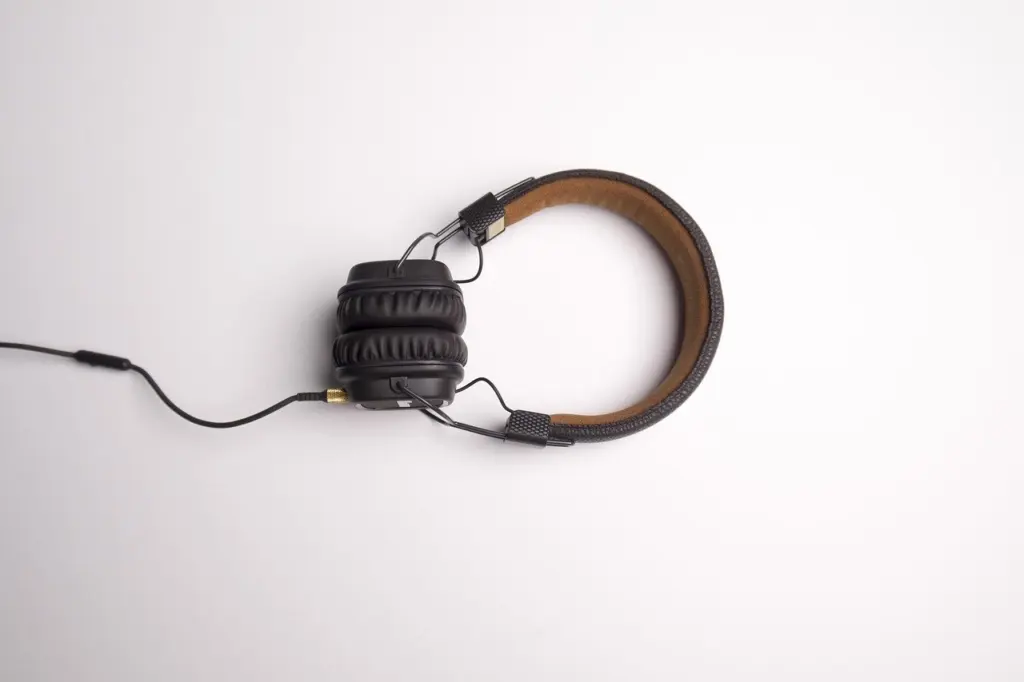
Picking between IEMs and headphones for a daily train ride and a quiet desk? The IEM vs headphones answer: choose IEMs for commuting and isolation, and headphones for long, spacious desk listening. Neither type is better everywhere.
For specific models once you know the type, see our best headphones for music picks in the audio equipment buying guide.
What separates IEMs from headphones
IEMs are in-ear monitors that fit snugly in the ear canal, which gives them excellent sound isolation and high-quality audio reproduction. Over-ear and on-ear headphones work differently. Their larger drivers and better soundstage give a more immersive sound. The practical question is which of those strengths matters in the place where you listen most.
Three beliefs cause most bad purchases. The first is that isolation always needs noise cancellation. The second is that IEMs always need an amplifier. The third is that over-ear headphones are automatically the comfortable choice. The sections below test each one against the evidence. The table gives the side-by-side view first.
| Criterion | IEMs | Over-ear headphones | Planning use |
|---|---|---|---|
| Fit and placement | Sit inside the ear canal | Sit on or around the ears | Decide whether you tolerate something in the ear canal or prefer pressure around the ear. |
| Isolation | Usually strong with correctly fitted ear tips | Varies by design and ear pads; closed-back models limit outside noise | For noisy places, pick IEMs or a closed-back pair rather than an open design. |
| Soundstage | Strong audio reproduction, but spaciousness is the headphone advantage | Larger drivers and better soundstage; open-back models can be more spacious than many closed designs | For roomy, immersive listening at home, lean toward headphones. |
| Portability | Extremely compact | Bulkier, particularly over-ear models | If the bag is small or the trip is long, IEMs win. |
| Comfort | Depends on ear shape and tip selection | Can create heat or clamping pressure | Test the specific discomfort you are more likely to notice. |
| Price | Reaches the premium end: one flagship listed at around $3,299.00 | Varies by model | Set a budget per model, not per type. |
The table draws on the Campfire Audio comparison and the DJ City IEM and headphone guide.
Isolation and ear tips
Strong isolation does not require electronic noise cancellation. The seal an IEM creates in the ear canal gives a more secure fit and better noise isolation. With the correct ear tips, passive isolation can be strong without relying on noise cancellation. The condition is the fit. The wrong tip size breaks the seal, and the isolation advantage goes with it.
Choosing and upgrading ear tips
IEMs typically ship with multiple ear tip sizes so that the fit is secure and comfortable. Try every size supplied before judging the isolation or the bass. Premium accessories exist if the stock tips never feel right. Campfire lists its Modulate custom-fit slipover ear tips at approximately $189.00. Custom IEMs, moulded to the ear, cost more than universal IEMs, so they suit buyers who have already ruled out standard tips.

How headphones isolate
Headphones do not follow one rule. Isolation depends on the design and the ear pads. Closed-back headphones are built to limit outside noise and reduce sound leaking into the room, which makes them the headphone type to consider for noisy offices or shared spaces. Open-back designs trade that containment for a more spacious presentation than many closed designs.
Soundstage and sound character
Headphones usually have the advantage on soundstage. Campfire attributes the more immersive experience of over-ear and on-ear models to their larger drivers and better soundstage. Open-back models can go further than many closed designs. Anyone who wants music to feel like it is happening around them, rather than inside the head, should start with headphones.
The belief that IEMs sound smaller by definition is too simple. IEMs often use balanced armature drivers, and dynamic and hybrid designs also exist. These choices change how an IEM sounds, so judge a specific model rather than the category. IEMs also have the seal working for them, since the tight fit contributes to the high-quality reproduction the manufacturer describes. Choose IEMs when detail and isolation matter more than space.
Comfort for long sessions
Over-ear headphones are not automatically the comfortable option. Some users find that larger earpads generate heat and that headbands create pressure points on top of the head. The DJ City guide similarly notes that headphones can create heat or clamping pressure. Long sessions in a warm room or with glasses are where those complaints are most likely to show up.

IEM comfort is different, not guaranteed. It depends on ear shape and tip selection. If the stock tips fit, an IEM leaves the head and outer ear free, which can suit long sessions. If no tip size fits, a different style is the better route than forcing a seal. In practice, choose headphones if heat and headband pressure rarely bother you, and IEMs if your ears accept a well-fitted tip.
DAC, amp and impedance
IEMs do not always need a separate DAC or amplifier, but top-end models benefit from them. Moon Audio advises that audiophile-grade IEMs deserve a high-quality DAC and headphone amplifier to reach peak performance. It also says that, depending on the impedance of your IEMs, you may be able to drive them easily from a smartphone. Impedance is the spec that decides this, so check it on the product page before buying extra hardware.
A sensible order is to start with the phone or laptop you already have. Add a DAC and amplifier only when you own IEMs that reward better sources, or when the model’s impedance suggests the phone is struggling. A DAC is the converter that turns digital files into the analogue signal your earphones receive, and a premium IEM is where it matters most.
Matching the type to your listening
The decision comes down to where you listen and how long. These are the practical matches:
- Commuting and travel: IEMs. They are extremely compact, while over-ear headphones are bulkier, and the sealed fit helps in noisy carriages and aisles.
- Studio tracking: Closed-back headphones. DJ City notes that closed-back models are widely recommended for recording because they limit sound leaking into the room.
- Long desk sessions at home: Over-ear headphones if heat and pressure do not bother you, with open-back models for a more spacious presentation. IEMs with well-fitted tips are the alternative.
- Noisy offices or shared rooms: IEMs with correct tips, or closed-back headphones.
- Budget-led buying: Compare individual models. Price does not sort neatly by type, since premium IEMs exist alongside lower-priced ones. For lower-cost options, start with our best headphones under 100 roundup.
If your listening room also holds a turntable, the guide on The Perfect Record Player Stand: How To Choose, Set Up, And Care For It In 2026 – Soniqcast covers the furniture side of that home setup.
Frequently asked questions
| Question | Answer |
|---|---|
| Are IEMs better than headphones? | Not across the board. IEMs lead on isolation and portability, while headphones lead on soundstage. Pick by where and how long you listen. |
| Which gives better sound isolation? | IEMs usually do, provided the ear tips seal properly. Headphone isolation varies with design and ear pads, and closed-back models limit outside noise. |
| Do IEMs need a DAC or amp? | It depends on the impedance of the IEMs. Some can be driven from a smartphone, while audiophile-grade models are recommended with a high-quality DAC and headphone amplifier. |
| Which is better for commuting or studio work? | IEMs suit commuting because of their compact size. Closed-back headphones are widely recommended for studio tracking. |



Leave a Reply